-
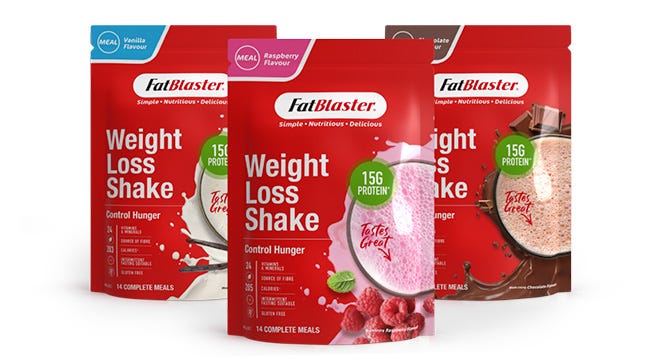
![]() FatBlaster Weight Loss Shake Red Pouch Chocolate 465gA$27.99FatBlaster Weight Loss Shakes are nutritionally balanced meal replacement shakes that contain 15g protein^, 24 vitamins & minerals, are gluten free, and only contain 203 calories per serve^.
FatBlaster Weight Loss Shake Red Pouch Chocolate 465gA$27.99FatBlaster Weight Loss Shakes are nutritionally balanced meal replacement shakes that contain 15g protein^, 24 vitamins & minerals, are gluten free, and only contain 203 calories per serve^.
^Based on the average quantity in 33g serve with 250mL Skim Milk -
![]() FatBlaster Weight Loss Shake Red Pouch Vanilla 465gA$27.99FatBlaster Weight Loss Shakes are nutritionally balanced meal replacement shakes that contain 15g protein^, 24 vitamins & minerals, are gluten free, and only contain 203 calories per serve^.
FatBlaster Weight Loss Shake Red Pouch Vanilla 465gA$27.99FatBlaster Weight Loss Shakes are nutritionally balanced meal replacement shakes that contain 15g protein^, 24 vitamins & minerals, are gluten free, and only contain 203 calories per serve^.
^Based on the average quantity in 33g serve with 250mL Skim Milk. -
![]() FatBlaster Weight Loss Shake Red Pouch Mocha 465gA$27.99FatBlaster Weight Loss Shakes are nutritionally balanced meal replacement shakes that contain 15g protein^, 24 vitamins & minerals, are gluten free, and only contain 203 calories per serve^.
FatBlaster Weight Loss Shake Red Pouch Mocha 465gA$27.99FatBlaster Weight Loss Shakes are nutritionally balanced meal replacement shakes that contain 15g protein^, 24 vitamins & minerals, are gluten free, and only contain 203 calories per serve^.
^Based on the average quantity in 33g serve with 250mL Skim Milk -
![]() FatBlaster Weight Loss Shake Red Pouch Raspberry 465gA$27.99FatBlaster Weight Loss Shakes are nutritionally balanced meal replacement shakes that contain 15g protein^, 24 vitamins & minerals, are gluten free, and only contain 205 calories per serve^.
FatBlaster Weight Loss Shake Red Pouch Raspberry 465gA$27.99FatBlaster Weight Loss Shakes are nutritionally balanced meal replacement shakes that contain 15g protein^, 24 vitamins & minerals, are gluten free, and only contain 205 calories per serve^.
^Based on the average quantity in 33g serve with 250mL Skim Milk. -
![]() FatBlaster Weight Loss Shakes Red Pouch Caramel 465gA$27.99FatBlaster Weight Loss Shakes are nutritionally balanced meal replacement shakes that contain 15g protein^, 24 vitamins & minerals, are gluten free, and only contain 203 calories per serve^.
FatBlaster Weight Loss Shakes Red Pouch Caramel 465gA$27.99FatBlaster Weight Loss Shakes are nutritionally balanced meal replacement shakes that contain 15g protein^, 24 vitamins & minerals, are gluten free, and only contain 203 calories per serve^.
^Based on the average quantity in 33g serve with 250mL Skim Milk
FatBlaster Weight Loss Shakes are creamy and delicious and available in a range of taste-tempting flavours. They are a nutritionally balanced meal replacement shake containing protein, vitamins, minerals and fibre. Vitalise your day and jump start your weight loss journey, in combination with a healthy diet reduced in energy and regular exercise.


Benefits of FatBlaster Meal Replacement Shakes
Delicious & Creamy
Irresistable, delicious and nutritious! Meal replacement shakes that make meal times a blast.
Control Hunger
Stay on track with your weight loss goals! Replace 1-2 meals daily with a shake to help control hunger and make you feel full for longer

24 Vitamins & Minerals
When mixed with skim milk, each nutritionally balanced meal replacement shake contains 24 vitamins and minerals, 15g protein and approximately 200 calories.
Why Choose FatBlaster Shakes?
FatBlaster Weight Loss Shakes are a creamy and delicious meal replacement shake. They are specially formulated to replace one - two meals per day and can support weight loss when combined with a healthy diet reduced in energy and regular exercise. Enjoy them in a range of tasty flavours while keeping hunger at bay.
What Is The Best Meal Replacement Shake For Weight Loss?
When looking for an effective meal replacement shake to support weight loss, look for a product that has been specially formulated to include carbohydrates, protein, and fortified with essential vitamins and minerals to ensure balanced nutrition and sustained energy throughout the day. FatBlaster shakes contain 24 essential vitamins and minerals and are gluten-free. When mixed with skim milk you can enjoy up to 15g protein!
Do Meal Replacement Shakes Work?
Meal replacement shakes can aid in weight loss by providing controlled calorie intake, satisfying hunger, and ensuring that your body receives essential nutrients, all while simplifying meal planning and portion control. Meal planning and balancing calorie intake get a lot easier when each meal has a predetermined calorie count!
FatBlaster Weight Loss Shakes should be used in support of a diet reduced in calories and a healthy lifestyle including exercise.
FatBlaster Transformations
Get inspired in your own journey by viewing weight loss transformations from our FatBlaster community.
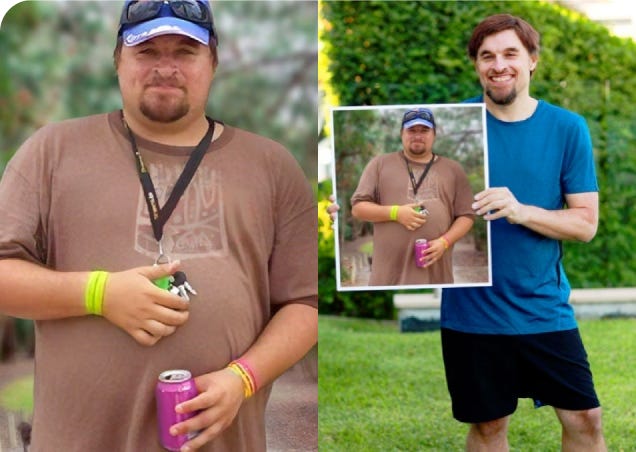
James QLD
Age: 37 Lost: 50kg over 2 years
“Feeling happier, healthier and more confident with making healthier food choices.”
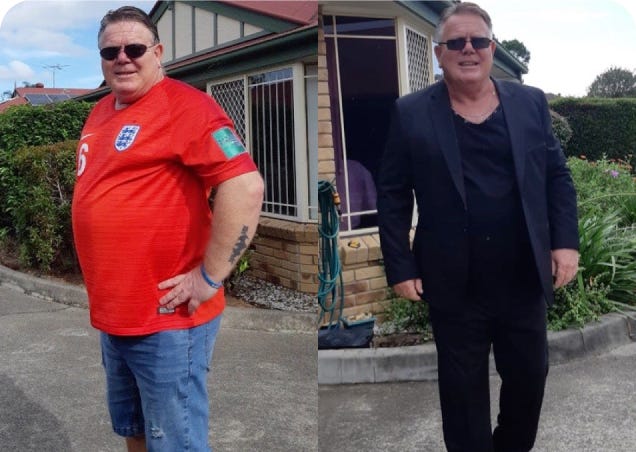
Mark Lillington QLD
Age: 63 Lost: 10kg over 4 months
With reduced back & leg pain when he walks, Mark lost 10kg with FatBlaster and even went down a shirt size!
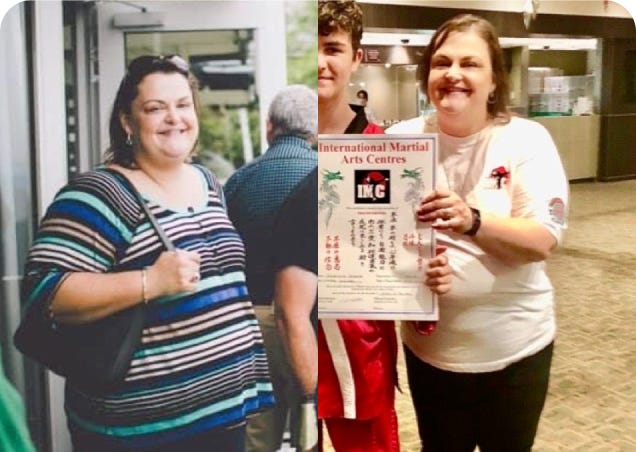
Genevieve Seager NSW
Age: 46 Lost: 3kg over 3 months
“I’m feeling better and I’m still going but I feel confident that I can lose the weight now”
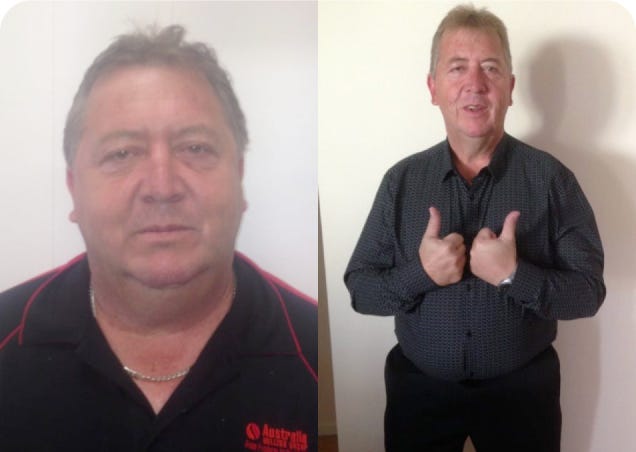
Ray Matheson NSW
Age: 59 Lost: 15kg over 2 years
“It is a wholesome meal that helps you take the hunger away, my wife and I both utilise the shakes”
Frequently Asked Questions
What are FatBlaster Weight Loss Shakes and how do they work?
FatBlaster Weight Loss shakes are meal replacement shakes that come in powder form and are designed to be mixed with skim milk.
The shakes are nutritionally balanced and specially formulated to replace one or two meals per day. They are to be used as part of a healthy lifestyle including a diet reduced in energy in combination with regular exercise to assist with achieving weight loss or weight management goals.
What is the nutritional breakdown of FatBlaster Weight Loss Shakes?
Each nutritionally balanced meal replacement shake, when mixed with 250mL skin milk, contains 15g protein, macronutrients carbohydrates and fat, a source of fibre as well as 24 essential vitamins and minerals in order to support a healthy, active lifestyle.What are the Meal Replacement Shake Flavours?
FatBlaster meal replacement shakes come in a range of great-tasting flavours including Vanilla, Chocolate, Double Choc Mocha, Raspberry and Caramel Delight.Who are FatBlaster Weight Loss Shakes suitable for?
FatBlaster Weight Loss Shakes designed to help support your weight loss or weight management journey, when used in combination with a diet reduced in energy and regular exercise. It is important to approach weight loss with a focus on overall health, including a balanced diet, regular physical activity, and sustainable lifestyle changes.Do FatBlaster offer guidance and support?
Get started on your weight loss or weight maintenance journey today with FatBlaster Weight Loss Programs. Pick the Maintenance Program to maintain your weight loss, the Steady Program to ramp up your weight loss, or the Rapid Program for faster results.Check out the FatBlaster Weight Loss Hub to be part of the FatBlaster community and to access personalised exercise programs plus guided meal plans and recipes.Can FatBlaster Weight Loss Shakes be used by both men and women?
Yes, FatBlaster products can be used by both men and women.Are FatBlaster Weight Loss Shakes suitable for vegetarians or vegans?
FatBlaster Weight Loss Shakes are suitable for vegetarians but do contain dairy, so are not suitable for those following a vegan diet.